by Jasmine Lee, Director of Communications and Member Engagement
When we talk about environmental sustainability, we talk about moving away from extraction and toward stewardship: honoring the land, caring for the resources we depend on, and building systems that allow communities to thrive for generations.
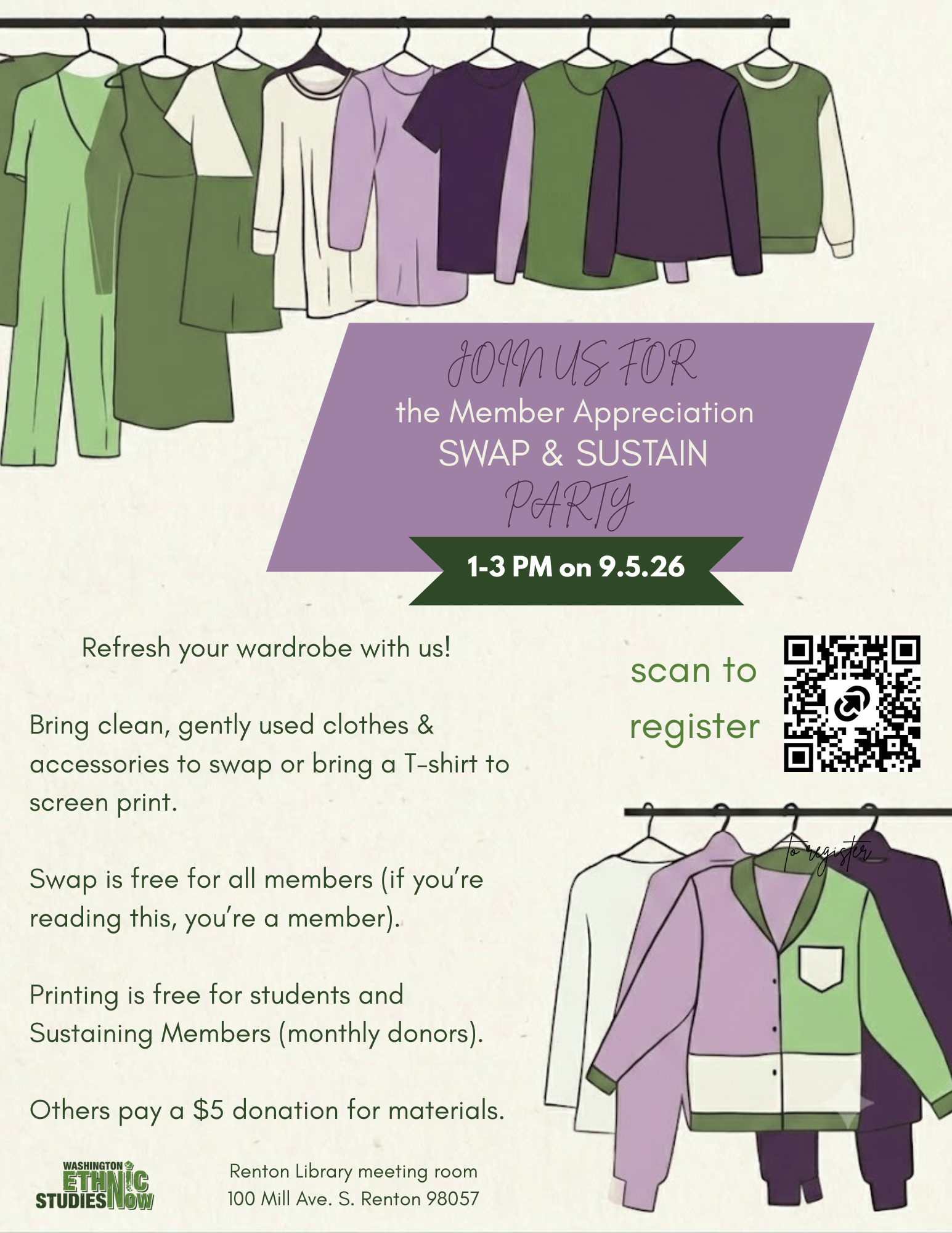
Join us for our upcoming Swap & Sustain Party, a member appreciation event that brings environmental responsibility and community action together.
At the event, we’ll transform old T-shirts with event-exclusive screen-printing designs and host a clothing swap where participants can bring gently used clothing and accessories to trade with fellow community members. Instead of sending wearable garments to the landfill or buying something new, we can keep quality clothing in circulation and give existing materials a second life.

It’s a small, tangible practice of a much bigger principle: we don’t have to participate in systems built around disposability. We can build alternatives rooted in reuse, stewardship, and community.
Swapping, upcycling, and choosing secondhand are ways of pushing back against the hyper-consumption and environmental harm created by fast fashion.
Fast fashion offers a powerful example of what happens when extraction and expendability become the dominant model. Cheap synthetic materials and rapidly changing micro-trends encourage us to treat both natural resources and garment workers as disposable.
The Environmental Consequences are Enormous
According to the United Nations Environment Programme, the fashion industry accounts for nearly 10% of global carbon emissions, more than international aviation and maritime shipping combined. It also consumes vast amounts of water and contributes to water pollution through toxic dyes and microplastics.
In the U.S., up to 86% of textiles end up burned or dumped in landfills each year. In 2018, that added up to 17 million tons of textile waste discarded by consumers. Once buried, polyester can persist for up to 200 years, slowly breaking down into microplastics while releasing chemical additives into surrounding soil and water. Even natural fibers can be difficult to biodegrade when dyes and finishes are present. Every trashed T-shirt carries an environmental impact that lasts long after the receipt fades.
The Human Cost is Just as Severe
Communities living near untreated industrial effluent can face serious health risks, while garment workers are exposed to hazardous chemicals, unsafe working conditions, and poverty wages as factories race to meet ever-faster trend cycles. The 2013 Rana Plaza collapse in Bangladesh, which killed 1,134 garment workers and injured thousands more, remains a stark reminder of how devastating the consequences of cost-cutting and exploitation can be.
The problem is not simply that we have too many clothes. It is that we have built systems that treat resources, labor, culture, and even people as disposable.
Ethnic Studies Challenges That Same Logic
Ethnic Studies asks us to reject systems that extract knowledge from communities while erasing their histories and experiences. It asks us to recognize whose stories have been left out, whose labor has been undervalued, and whose voices have been pushed aside. And it asks us to build something different: an education system rooted in truth, relationship, reciprocity, and collective responsibility.
That is why Swap & Sustain is more than a clothing swap.
It is an opportunity to practice the values we want to see in our schools and our communities: reuse instead of disposability, stewardship instead of extraction, and collective care instead of isolation.
A T-shirt can be passed from one person to another. Knowledge can be passed from one generation to the next. A movement can be sustained by the people who choose to care for it.
When we sustain what we have, we make room for what comes next.
Sustaining Ethnic Studies Requires That Same Commitment to Care
It means moving away from extractive, whitewashed curricula and investing in the people, relationships, and knowledge that allow Ethnic Studies to flourish. If we want a public education system that centers the histories, cultures, and lived experiences of People of Color, we need more than one-time initiatives. We need long-term community power.
Both movements recognize that collective care is necessary to dismantle harmful systems. Just as an ecosystem needs nurturing and protection from depletion, Ethnic Studies requires continuous advocacy, anti-racist educator development, and youth leadership to ensure it flourishes in every K–12 classroom.
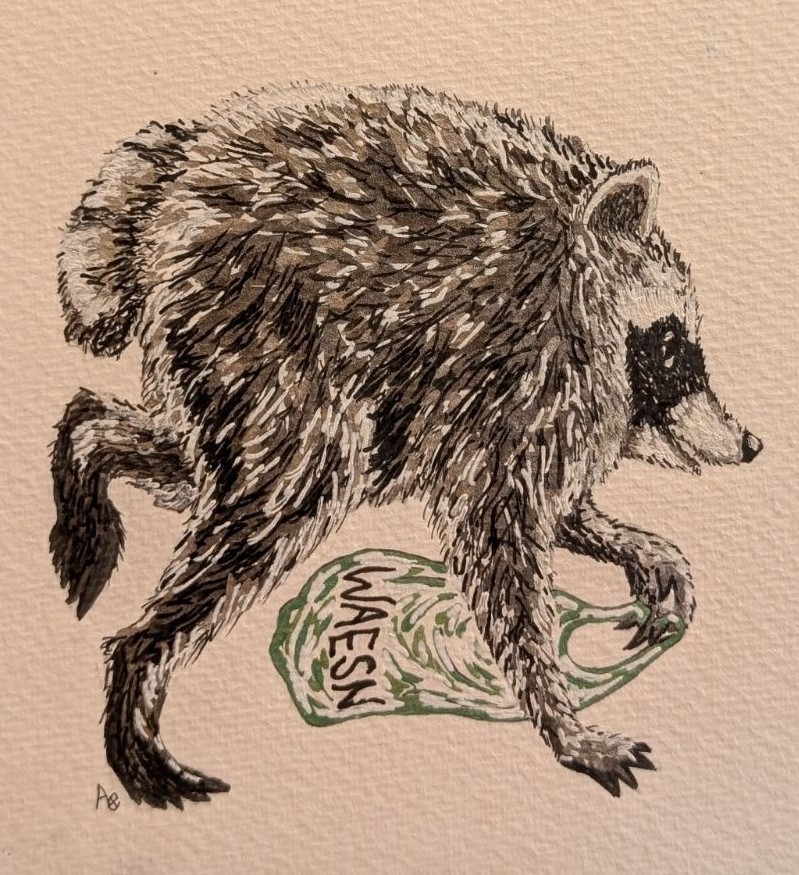
Upcycle your clothes and accessories with an
event-exclusive Jimothy design.
That is why Washington Ethnic Studies Now (WAESN) recognizes our major and monthly supporters as Sustaining Members.
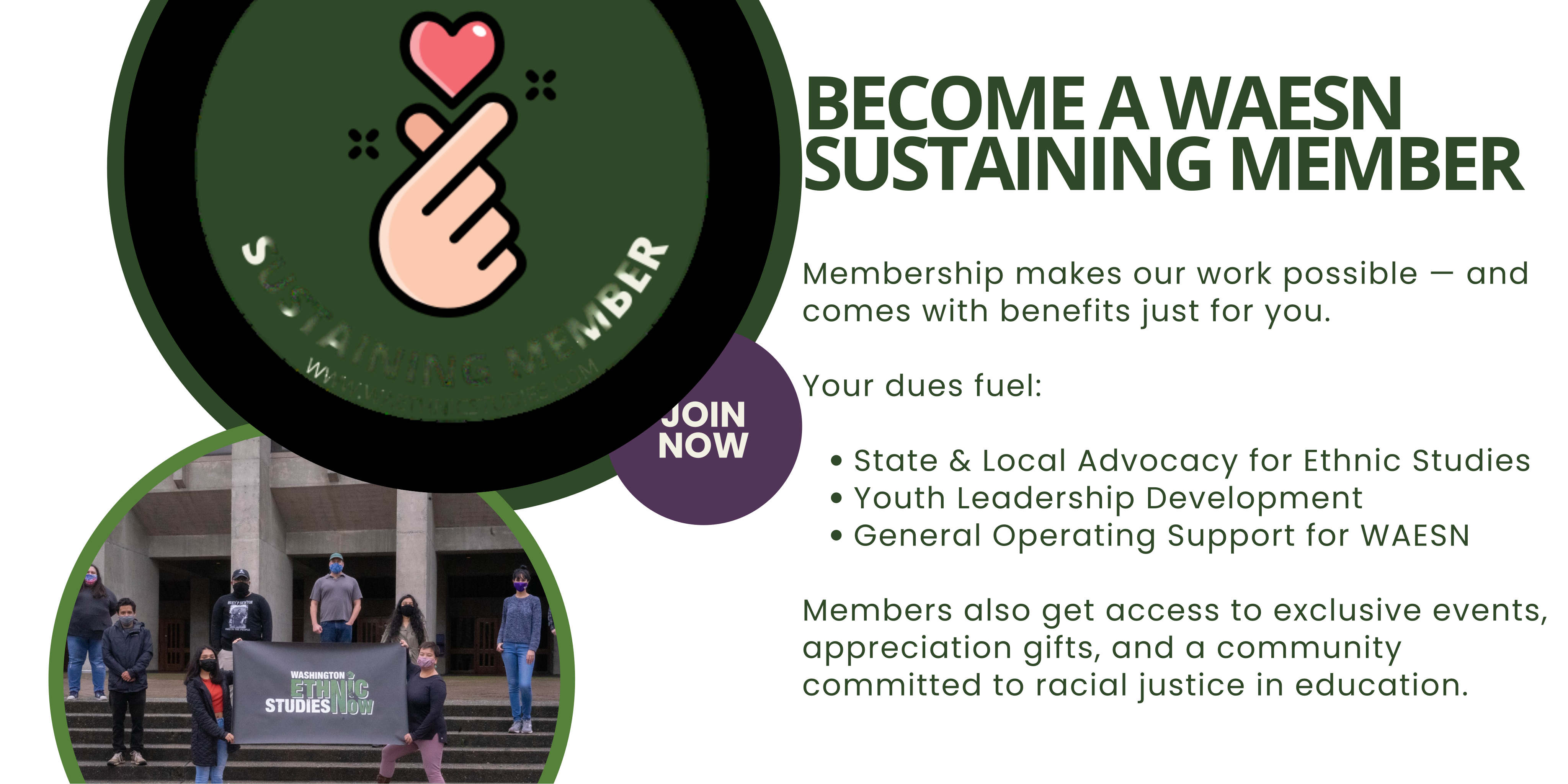
Our Sustaining Members provide the steady financial foundation needed to organize multiracial and multigenerational coalitions and build pipelines for youth leadership. By making an ongoing commitment, these donors help ensure that WAESN can independently and without interruption protect Ethnic Studies frameworks and support educators across Washington state.
And we want to celebrate the people who make that possible.
Whether you are already a monthly supporter, a regular member, or looking to join our community of advocates, we invite you to connect, swap, upcycle, and celebrate collective action with us.
Join us at the Swap & Sustain Party
Saturday, September 5
1–3 p.m.
Renton Library Meeting Room
100 Mill Ave. S, Renton WA 98057
Bring a gently used piece of clothing to swap, an old T-shirt to transform, and your commitment to building communities where nothing, and no one, is treated as disposable.
Because sustainability is about what we choose to sustain and who we make room to thrive.
All unclaimed clothing and accessories will be donated to the Renton School District to support their
McKinney-Vinto programs.
Sign up for our newsletter and keep up with upcoming events and initiatives.
Become a Sustaining Member today to support youth-led, community-rooted Ethnic Studies.
Leave a Reply